
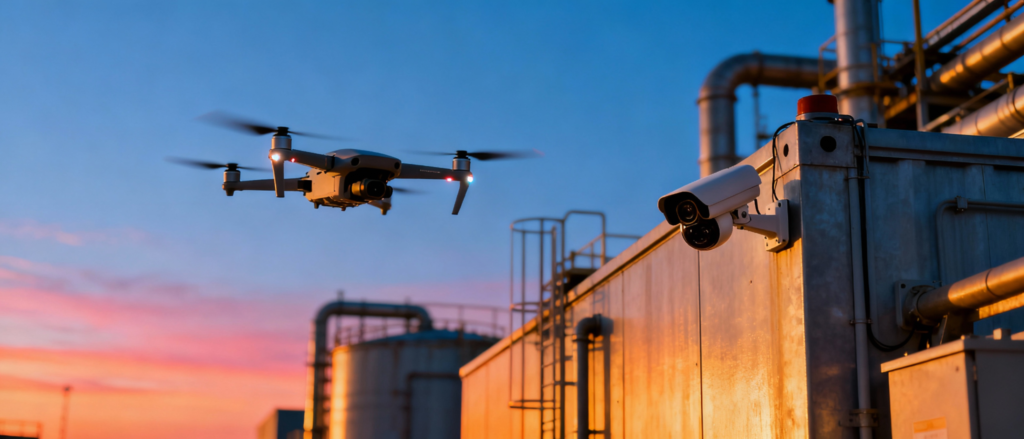
Introduction to Drone Surveillance Technology
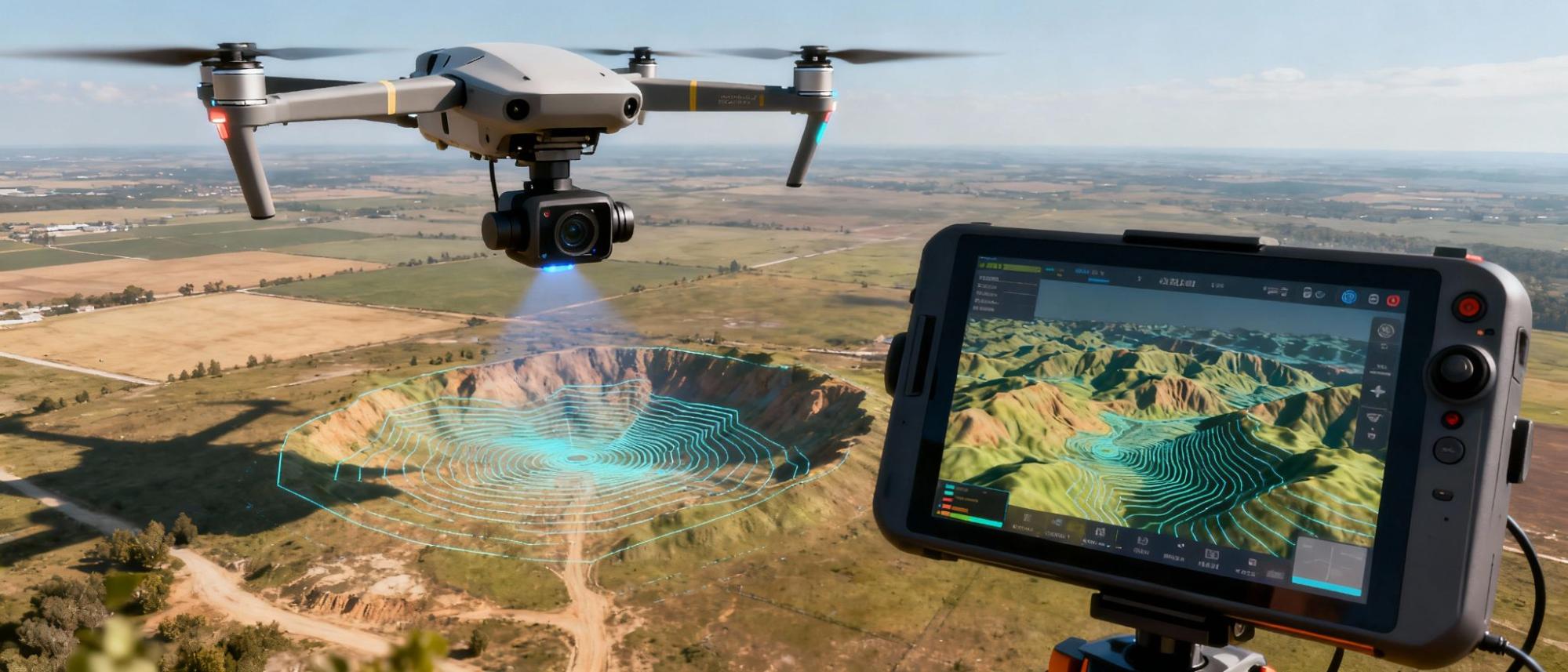
Drone surveillance has emerged as a powerful tool for modern security and monitoring needs. Across industrial facilities, government operations, and public safety environments, drones are being used to gain real-time aerial visibility over large and complex areas. Equipped with advanced drone cameras and intelligent sensors, these systems deliver accurate insights faster than traditional surveillance methods.
By replacing manual patrolling and static infrastructure, drone surveillance helps organizations lower operational costs while improving safety. It also minimizes human exposure to hazardous conditions, making it a practical solution for high-risk and large-scale monitoring operations.
- For organizations considering drone security adoption, FlyWings Drone provides a closer look at deployment-ready solutions.
Why Choose Drone Surveillance?
Drone-based monitoring offers clear advantages over conventional security systems, making it an efficient and scalable solution for today’s security challenges.
Key Advantages of Drone Surveillance
- Real-time live monitoring
Drones stream high-definition video in real time, allowing security teams to respond immediately to incidents or suspicious activity. - Cost-effective security management
Drone surveillance reduces the dependency on large patrol teams, vehicles, and expensive fixed camera installations. - Access to hard-to-reach areas
From uneven terrain to rooftops and restricted zones, drones can easily cover locations that are difficult or unsafe for humans to access. - AI-driven surveillance capabilities
AI drone surveillance enables automated object detection, movement tracking, and threat identification without constant human supervision. - Flexible and scalable deployment
Organizations can deploy a single drone or multiple autonomous drones depending on coverage requirements, making the system highly adaptable.
- Explore how FlyWings Drone enables real-time aerial surveillance for faster and smarter security responses.
Applications of Drone Surveillance
Industrial and Commercial Security
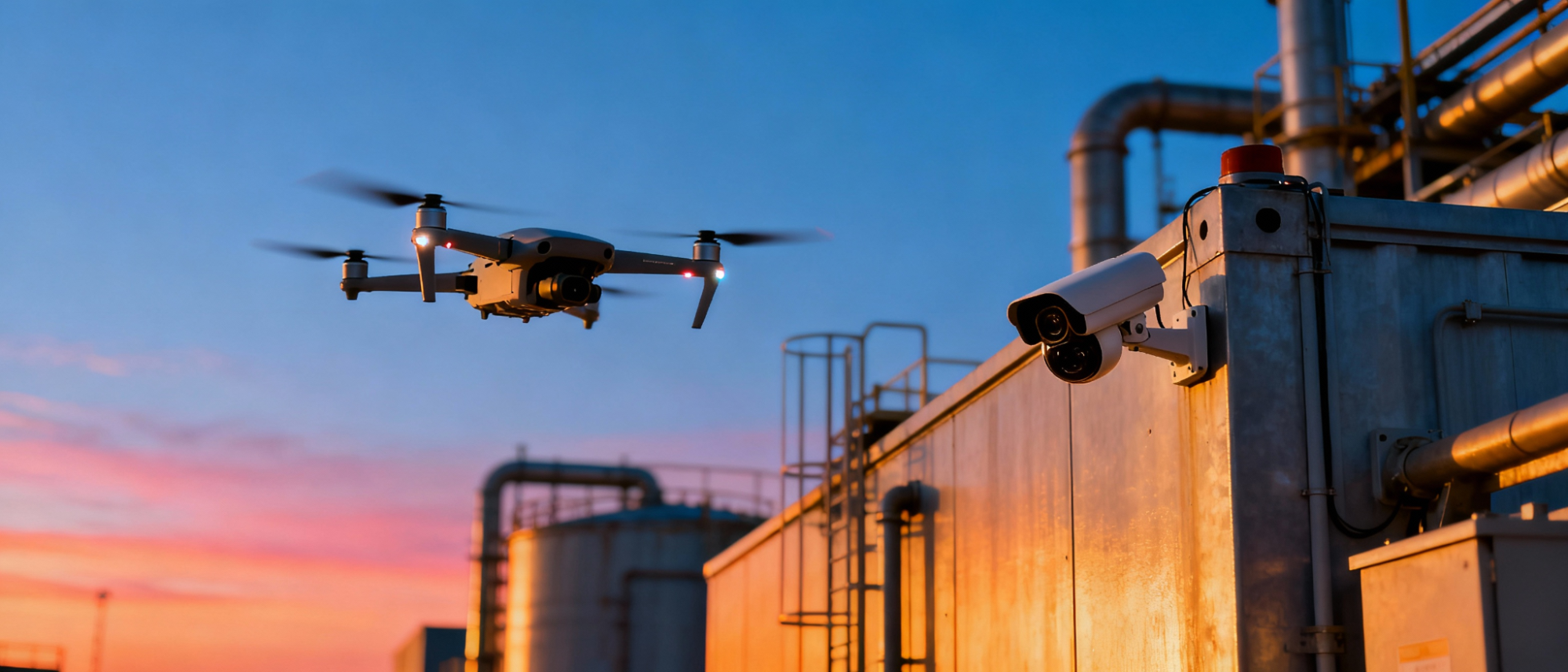
Industries such as manufacturing units, warehouses, logistics centers, and corporate parks rely on industrial security drones to protect their premises. Drone monitoring helps detect intrusions, secure perimeters, and conduct quick security assessments, reducing losses from theft, vandalism, or unauthorized access.
Law Enforcement and Public Safety
Drone surveillance plays a crucial role in public safety operations. Law enforcement agencies use drones for crowd monitoring during large events, search and rescue missions, traffic control, and crime scene analysis. The aerial viewpoint offers better situational clarity and supports informed decision-making.
Border and Military Surveillance
For border security and defense applications, drones provide continuous real-time aerial surveillance across challenging terrain. Autonomous drones can patrol large areas efficiently, enhancing early detection of potential threats and improving overall operational readiness.
Event and Urban Security
In urban areas and during large public gatherings, drone monitoring helps ensure crowd safety. Real-time aerial surveillance enables authorities to identify risks quickly, manage congestion, and respond effectively to emergencies.
Critical Infrastructure Protection
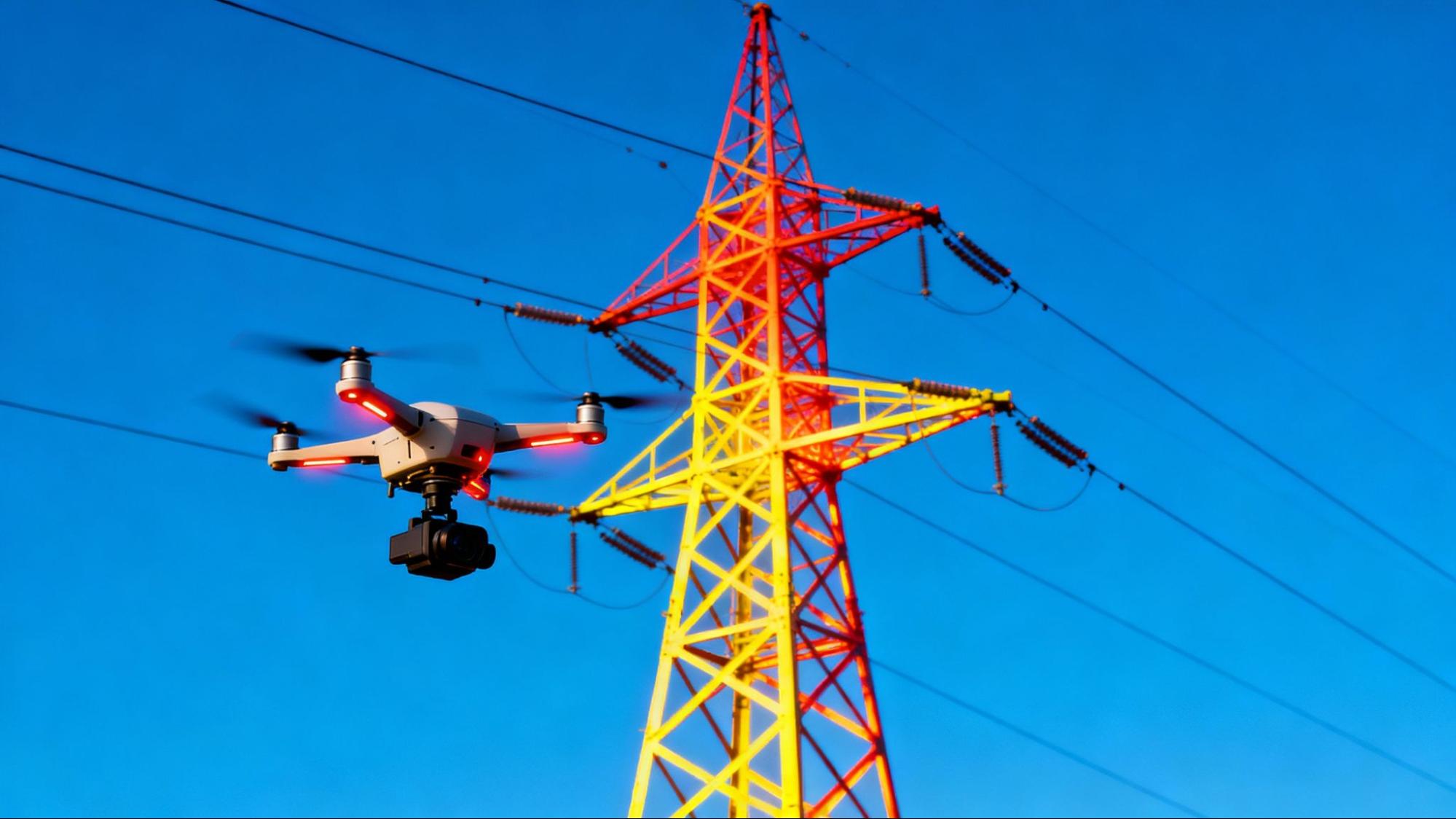
Drone security systems are widely used to safeguard critical infrastructure such as power plants, airports, ports, and industrial facilities. Compared to traditional inspection methods, drones identify vulnerabilities faster and provide high-resolution visual data for proactive risk management.
Cutting-Edge Drone Surveillance Technology
Modern drone surveillance systems integrate multiple advanced technologies to deliver reliable and intelligent monitoring:
- High-resolution day and night drone cameras for continuous, all-weather surveillance
- Thermal and infrared imaging to detect heat signatures and human presence in low-visibility conditions
- AI-powered video analytics for automated threat detection, facial recognition, and behavior analysis
- Autonomous flight and patrol capabilities for routine surveillance missions without manual control
- Integration with existing security systems to enable centralized command and monitoring
Regulatory and Operational Considerations
Drone surveillance operations must comply with local aviation and privacy regulations. In India, commercial drone monitoring requires adherence to DGCA guidelines, including drone registration, pilot certification, and airspace restrictions. Ethical usage and data privacy considerations are equally important to ensure responsible deployment. Proper training and compliance help maximize operational efficiency while maintaining safety standards.
Future Trends in Drone Surveillance
The drone surveillance industry continues to evolve with rapid technological advancements:
- Swarm drone operations enabling coordinated monitoring across large areas
- Advanced AI and predictive analytics for faster and more accurate threat recognition
- 5G-enabled connectivity supporting ultra-low latency video streaming and real-time control
- Extended flight endurance and improved payloads allowing longer missions and advanced sensor integration